
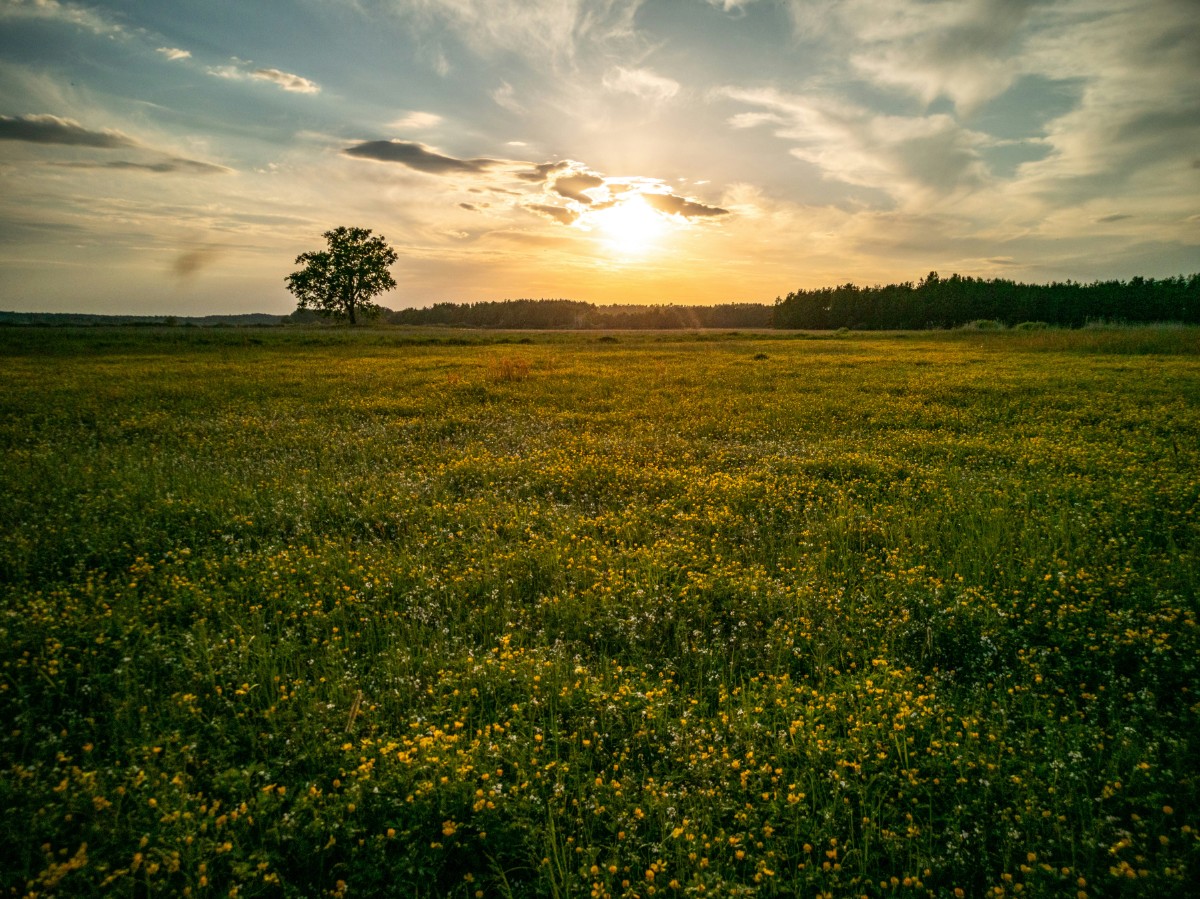
Across the UK, the idea of land ownership is evolving. As traditional routes to buying land become less viable for many, a quieter, more community-oriented approach is gaining interest: shared land ownership. This shift reflects changing attitudes about access, stewardship, and the simple enjoyment of green spaces.
What this post covers
You’ll discover what’s behind the recent interest in shared land ownership, the values inspiring its growth, and what makes this approach fit today’s climate. We’ll also look at the practical benefits and outline simple steps for those interested in exploring it.
A Changing Landscape: Why Ownership Is Being Redefined
For generations, owning a plot of land was seen as a marker of stability and freedom. Now, as prices climb and availability shrinks, more people are asking new questions: Does ownership need to mean going it alone? Could there be value in sharing access—and responsibility—for the spaces that matter?
Rethinking Value Beyond Price
Many are seeking more from their land than a financial asset. Access to nature, connection to local food, and the peace of green space are increasingly valued. Shared ownership responds to these priorities, offering a way for individuals to access land that otherwise might have remained out of reach.
How Shared Land Ownership Works
Shared land ownership typically brings together a group of individuals with a common purpose—whether it’s recreation, growing, or caring for wild spaces. With clear structures and transparent agreements, participants co-own a piece of land, each holding a real stake in its use and future. This model blends private initiative with collective benefit, aiming to balance personal enjoyment and shared stewardship.
Gentle Acceleration—Not a Fad
This movement hasn’t arrived with fanfare. Its growth has been steady, rooted in long-standing frustrations with conventional models and a desire for something that feels fair, simple, and meaningful. As more people embrace this approach, it’s quietly changing what it means to be a landowner in the UK.
Practical Takeaway
- Shared ownership widens access to land otherwise out of reach
- It provides a framework for collective stewardship
- Agreements clarify rights and responsibilities from the start
- Allows alignment of values—nature, food, community
- Offers an accessible route for those who want to shape green spaces together
A new approach to land is quietly taking hold, bringing together people who want meaningful, lasting relationships with the places they care about. If you’re considering your own path to land ownership, thinking collectively could be the difference.
Find out more about how you can take the next step into shared land ownership—explore approaches, stories, and practical guidance with SharedAcres.
Comments are closed