
It’s easy to imagine the appeal of owning some land—a place to escape, to put down roots, or to grow something of your own. For some, though, the need for land goes much deeper than a passing wish; it becomes part of their sense of possibility and belonging.
What this post covers
In this article, we explore why the idea of land is so powerful, how the line between wanting and needing it can blur, and what motivates people to find a space of their own in nature.
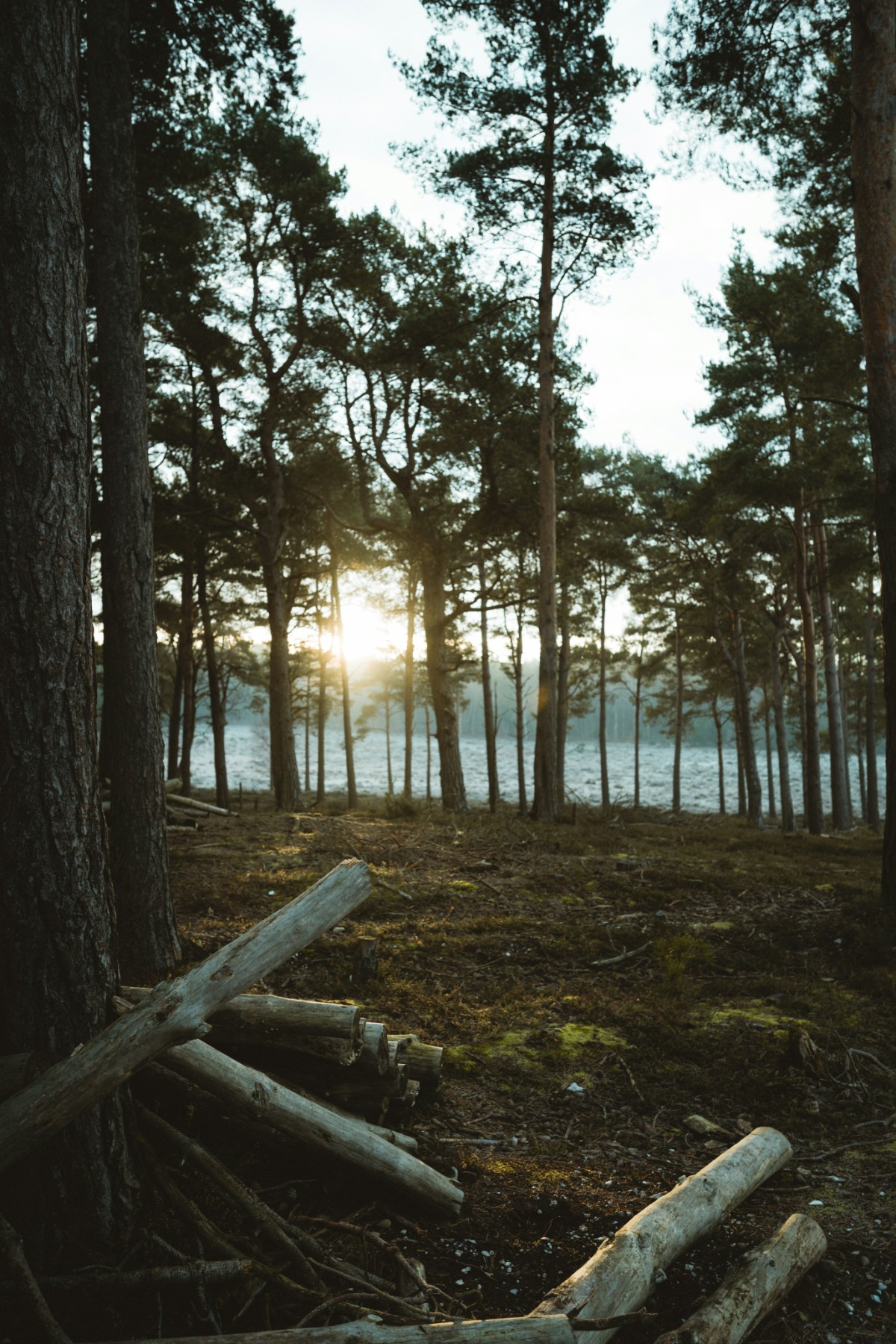
The Emotional Pull of Land
A piece of land represents more than just property boundaries. For many, it symbolises freedom, self-reliance, and hope for the future. The sense of ownership or stewardship over a bit of countryside taps into deep feelings—perhaps rooted in family traditions, childhood memories, or a desire for security and space. Land brings with it the promise of quietness, renewal, and a place to grow something lasting.
Wanting Land: Aspirations and Curiosity
People are often drawn to the idea of land by curiosity or aspiration. Perhaps it’s the wish to plant trees, camp under open skies, or create a special place to share with friends and family. Wanting land in this way is about the possibilities it offers and the dreams it allows us to entertain, even if just in the background of daily life. It opens up a horizon of what could be.
Needing Land: Deeper Motivations
For others, the desire for land shifts into something more essential. Certain life changes—such as retirement, shifting priorities, or the search for peace—can intensify that longing. The pull becomes a need: not simply to own but to belong somewhere, to tend a plot of earth, or to rediscover a connection that’s been out of reach. For some, this need is emotional and restorative, fuelled by the quiet satisfaction of making a place truly their own.
Finding Meaning in a Personal Patch of Nature
Whether it’s a wood, a meadow, or a corner by a river, having a space apart from the pace of modern life can be grounding. It offers a sense of stewardship—the feeling that you are looking after something real and tangible. This can provide daily comfort and purpose. For many, it’s less about possession and more about fulfilling a longing to be part of a place, however small.
Practical takeaway
- Consider what’s behind your own wish for land: is it curiosity, aspiration, or something more essential?
- Reflect on how a connection to nature might enrich your life beyond ownership.
- Think carefully about your motivations and what kind of space, if any, feels right for you.
- Take small steps toward your goal—exploring options or talking to like-minded people can clarify what you really need.
If you feel the pull towards your own place in nature, SharedAcres helps people approach this journey thoughtfully and with respect for both personal meaning and the land itself.
Comments are closed