
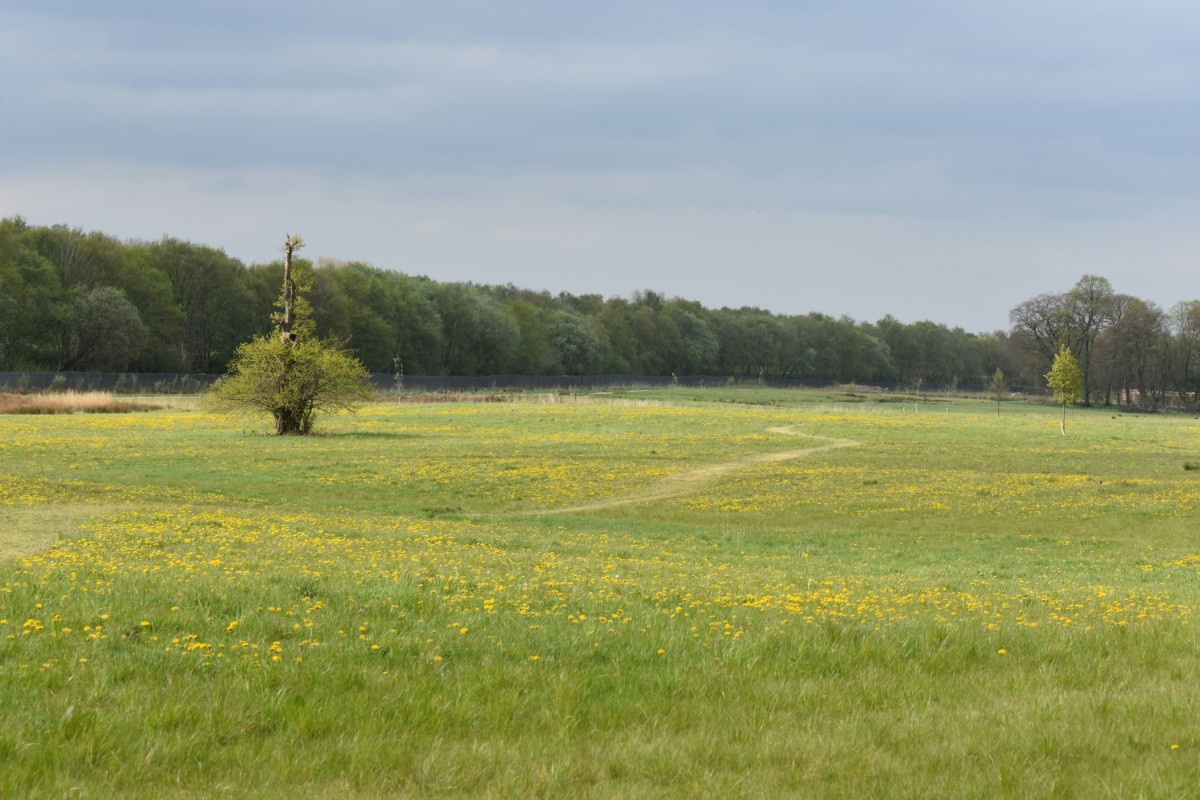
The idea of buying land with others is gaining interest, but not all plots are equally suited to a shared approach. If you’re considering co-ownership, understanding what makes a parcel of land fit for this purpose is a crucial first step.
What this post covers
In this article, we’ll explore the key qualities that help make land suitable for shared ownership. We’ll look at practical, legal, and community considerations, and offer pointers to guide your decisions if you’re thinking about co-buying.
Key Land Qualities to Consider
Accessibility and Location
A shared plot is more likely to suit everyone when it’s straightforward to reach. Good road access makes daily use and maintenance easier for all owners, whether the land is intended for leisure, growing, or conservation. Location also plays a role—land situated in a desirable or stable area is likely to appeal to groups with a range of interests and backgrounds.
Clarity of Legal Status
Land with clearly documented boundaries, defined access rights, and an unencumbered legal position provides a strong foundation for shared ownership. Complex disputes or murky rights make co-buying especially risky or unworkable. Ideally, the land should be free from unresolved planning or inheritance issues, making shared stewardship clearer.
Well-Defined Use Potential
Land that is suitable for a shared group should meet the collective needs of its owners. Plots with a variety of features—such as established trees, viable soil, or scope for multiple projects—tend to be more versatile and welcoming to differing aims. It’s important that co-buyers have a shared vision, but flexible land allows for evolving uses or interests among the group.
Compatible Infrastructure
For many groups, basic infrastructure—such as water, access tracks, or storage—makes shared management more practical from day one. While some buyers are happy to develop these features themselves, others may prefer plots where core needs are already addressed.
Community and Governance Considerations
Successful shared ownership depends on clear agreements and open communication. Land that fits this model allows for easy division of responsibilities and has the adaptability to support group governance without friction. The best plots help foster trust and encourage dialogue, setting the scene for a positive collective experience.
Practical Takeaway
- Look for clear legal boundaries and documented rights of access.
- Favour locations with good access that meet the group’s intended use.
- Consider the land’s flexibility for multiple activities over time.
- Assess existing infrastructure as part of the decision.
- Ensure the plot supports transparent, group-friendly governance.
If you’re exploring shared ownership, reflecting on these factors can help you choose a piece of land that meets collective needs and makes co-ownership a rewarding experience.
Thinking about co-owning land? Discover how a trust-first approach can help you explore what’s possible together.
Comments are closed