
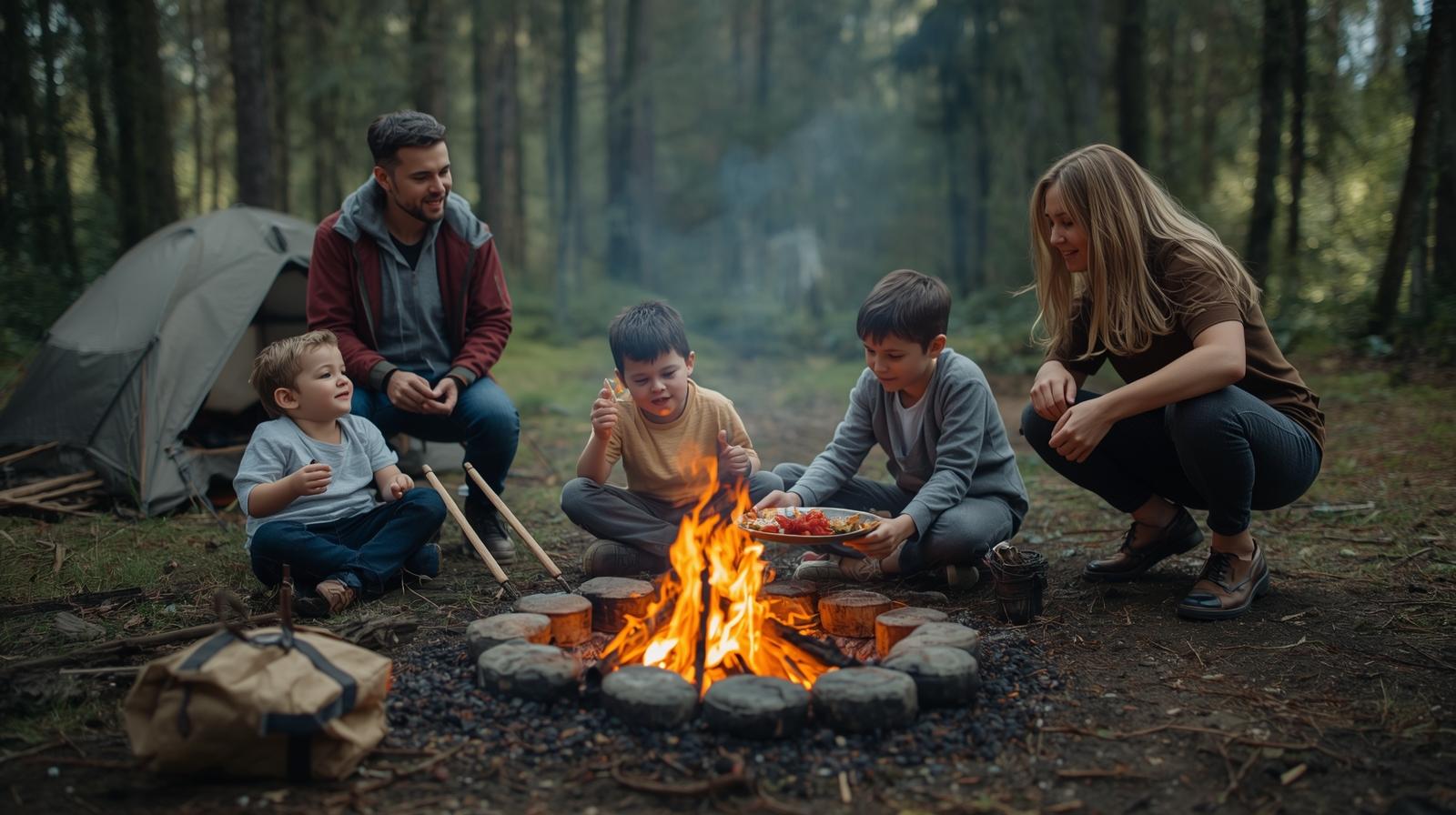
Land has long been more than just a space for growing or building. In a shared context, it becomes fertile ground for learning, collaboration and personal growth. Many families and groups are discovering that by owning land together, they open up opportunities not just for stewardship, but for learning vital skills and values side by side.
What this post covers
This article delves into the ways shared land fosters learning for families and groups, exploring the unique skills and values gained through ownership.
A Living Classroom
Shared land offers an environment where hands-on learning happens naturally. People discover new skills as they maintain, improve, and care for their shared property. Whether it’s learning to plan a seasonal garden, manage natural resources with respect, or understanding the practicalities of shared ownership, each experience provides valuable lessons—often tailored to the unique context of each group.
Learning Across Generations
Ownership of land within families or communities enables the passing down of knowledge from one generation to the next. Older members often mentor younger ones, sharing experiences and guiding land care in a way that’s practical and meaningful. This transfer of knowledge goes beyond theory, encouraging active participation and nurturing confidence in younger members.
Building Trust and Shared Values
Working together on shared land builds trust and a sense of collective responsibility. Tasks—from maintenance to planning—require cooperation, communication, and respect for differing perspectives. These activities help nurture values like patience, stewardship, and fairness, reinforcing the importance of working together for a common purpose.
Community through Shared Experience
The learning that happens on shared land isn’t limited to practical skills. It often creates a sense of belonging. Groups discover that shared achievements and even challenges become powerful bonding experiences. This sense of community can enhance wellbeing and encourage a supportive approach to problem-solving.
Practical takeaways
- Hands-on work provides real-life learning opportunities for all ages
- Mentoring within groups helps preserve knowledge and develop skills
- Collaboration builds communication skills and shared values
- Shared achievements on the land foster community and lasting memories
If you’re considering joining with others to own land, know that it can offer far more than just a place—it can become a valuable space for lifelong learning.
Comments are closed