
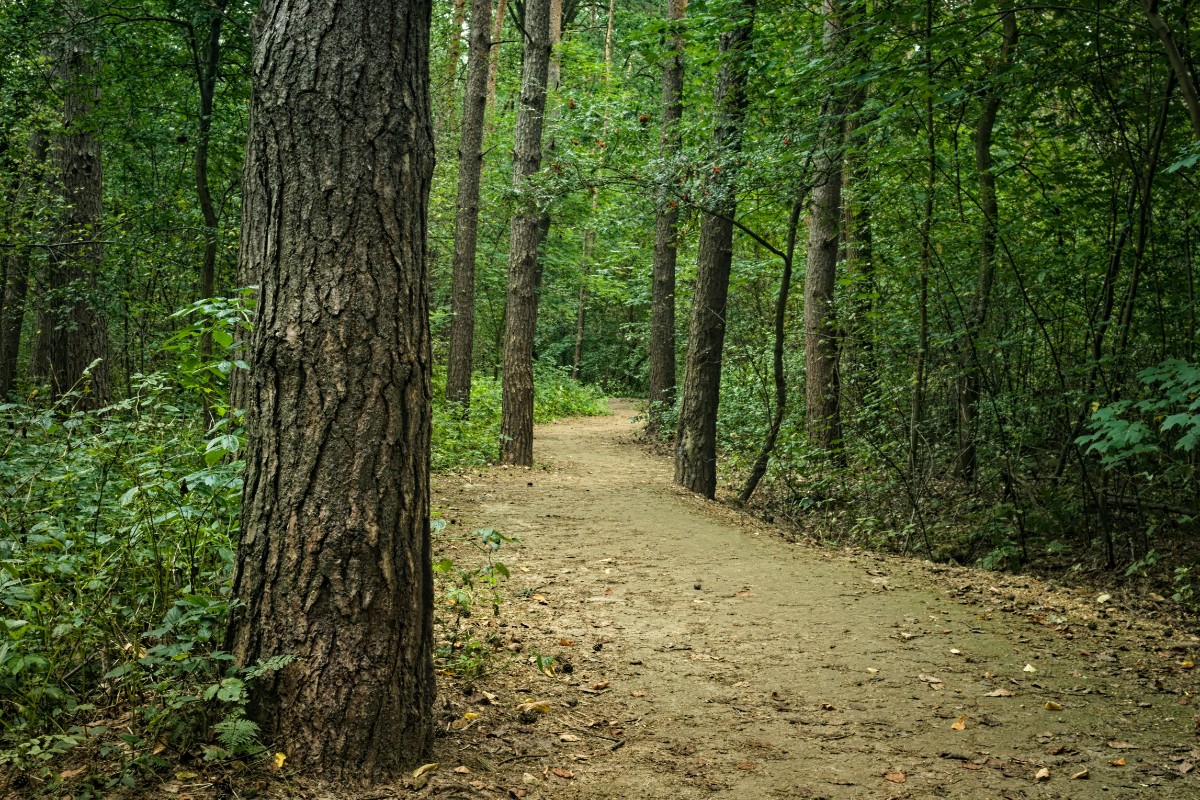
When land is owned and managed by a community, something remarkable tends to happen: people look after it with greater attention and care. This sense of shared responsibility can create a more resilient and well-tended landscape.
What this post covers
This post examines how collective ownership encourages accountability, explains the typical benefits seen on community-owned land, and discusses how this approach helps both people and place thrive.
The impact of collective responsibility
When a group of people is involved in the ownership and oversight of land, everyone has a stake in its wellbeing. Group decisions foster open dialogue about what’s best for the land, leading to practical agreements on its use and care. Involving more people usually means there’s a wider base of skills and knowledge to draw on, encouraging thoughtful stewardship and diverse perspectives on management.
Shared interests and long-term thinking
With community-owned land, the focus often shifts away from short-term returns. The group is more likely to consider the long-term value of healthy soil, biodiversity, and responsible use. These priorities can result in more sustainable land management choices, since the future of the land has direct meaning for the community members (current and future).
Safeguarding local connection
Community ownership tends to align land management with local values and needs. When those living nearest are involved, land is more likely to reflect and support the local heritage, environment, and practical needs. This ongoing relationship can foster deeper appreciation—and more careful day-to-day maintenance—than distant or disconnected ownership.
Practical accountability
When responsibility is shared rather than sitting with one distant owner, neglect or poor decisions are less likely to pass unnoticed. Members hold each other to account. Practical arrangements, such as shared workdays or regular meetings, help ensure ongoing care and the sharing of good ideas that keep land healthy and productive.
Practical takeaways
- Shared ownership can encourage long-term thinking over short-term gains
- Diverse perspectives can lead to better land management decisions
- Local knowledge is privileged, helping to protect native environments
- Accountability increases when neighbours and peers are involved
- Continuous interaction encourages ongoing care
Finding your role in collective stewardship
If you’re interested in being part of collective land care, consider connecting with local groups or exploring platforms that support community land ownership. Even small contributions can make a meaningful difference when added to a group effort.
Comments are closed