
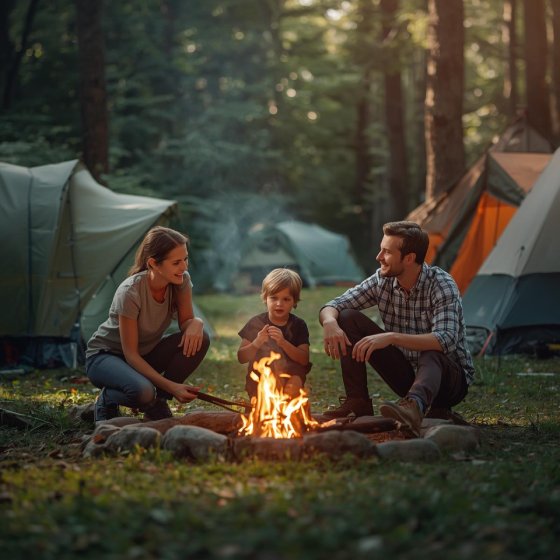
The choices we make about land today have a lasting impact on the world future generations will inherit. Navigating a landscape of rising prices and complex regulations, finding a way to meaningfully access and protect rural land isn’t straightforward. Shared ownership is emerging as a considered response—one that aims to balance immediate enjoyment with longer-term stewardship.
What this post covers
This article looks at why shared land ownership is gaining attention, how it can help protect our countryside for years to come, and the values that underpin this approach. We’ll also offer a few ways to put these ideas into action.
Understanding Shared Ownership and Legacy
Shared land ownership allows several parties to collectively own and look after a piece of countryside, reducing the barriers and risks faced by individuals. Instead of land being traded as a commodity or locked away for a privileged few, this model helps spread both financial cost and responsibility. People are drawn to shared ownership not just for personal satisfaction, but out of a desire to leave something of worth behind.
Balancing Access With Preservation
At its best, shared ownership creates more than access—it’s a platform that encourages owners and users to consider long-term impacts. When people come together to co-own rural spaces, they often cultivate agreements around sustainable use, maintenance, and regeneration. This collective approach can make it easier to set boundaries that support the health of the land, while still allowing responsible enjoyment.
Shared Values for the Future
The underlying value is simple: countryside matters. There is a quiet satisfaction in preserving open, wild places and old traditions. Shared land ownership seeks to rekindle a sense of connection—to each other and the land itself. It relies on trust, clarity of purpose, and a willingness to learn together. These qualities are essential for any group hoping to hand over land in better condition than they found it.
Practical Takeaway
- Consider shared ownership as a way to access land while supporting its future
- Look for clear agreements among co-owners about care and use
- Reflect on how today’s decisions can create a positive legacy
- Explore platforms designed to facilitate trustworthy, transparent shared ownership
If you’re curious about how shared rural ownership could align with your own values and aspirations, discover platforms and communities offering guidance and connection. Taking the first step is often a matter of sharing the journey.
Comments are closed