
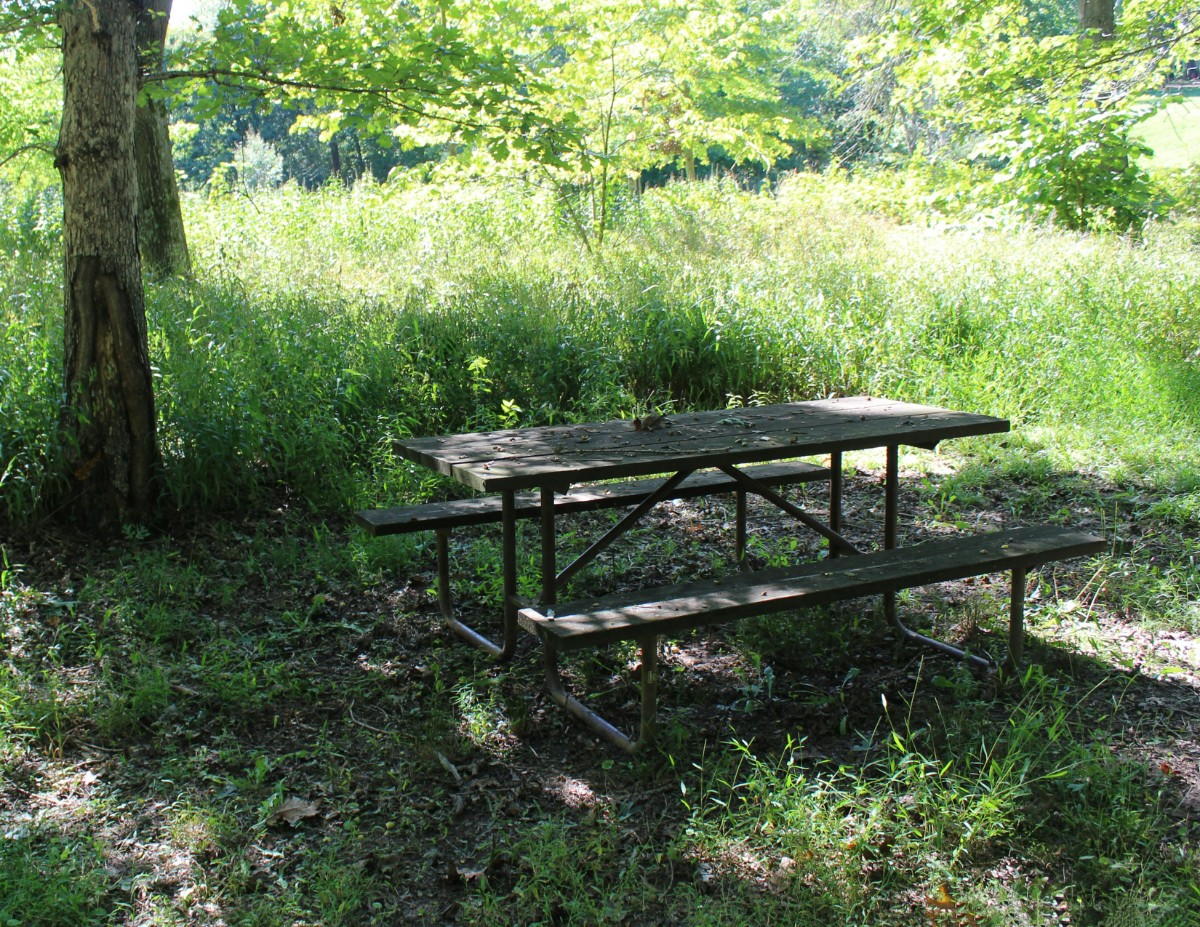
Our connection to land shapes how we act towards the environment. For many, gaining even a small stake in land brings a different sense of responsibility—a shift in mindset that influences both behaviour and respect for the natural world.
What this post covers
This article looks at how owning land alters people’s approach to stewardship and care, why this sense of responsibility increases with ownership, and the broader value for both individuals and nature.
Changing Perspectives Through Ownership
When people have a direct stake in land, it often transforms abstract ideas of conservation into personal decisions. Ownership means the well-being of land is no longer someone else’s concern; it becomes an everyday part of life. Individuals often find themselves more aware of the changes they make to land—what they plant, how they use resources, and the long-term effects of their actions. This personal relationship can deepen respect for nature and foster quieter, more thoughtful engagement.
Responsibility and Accountability
With ownership comes increased accountability. People are often more likely to invest time and care into land they call their own, making choices with an eye to the future. Improvements are weighed against long-term health and value, not only immediate gain. Actions like maintaining habitats, choosing sustainable methods, and restoring natural features move from abstract goals to practical realities.
Shared and New Models of Custodianship
New ways to access and own land—such as shared or fractional models—invite people to rethink what it means to care for a place. These models bring a collective aspect to stewardship, reminding participants that land care is both an individual and a shared responsibility. People begin seeing positive change not just in the landscape, but also in their connection to community and environment.
What change does this bring? The line between consumer and caretaker often blurs. Ownership, even when shared, can enable people to move from passive use to active care. The result is a more personal, informed approach to sustainability.
Practical takeaway
- Owning even a small share of land often encourages more responsible and caring behaviour.
- Having a stake can shift outlook from short-term use to long-term thinking.
- Shared ownership models invite both personal and collective stewardship.
- The result is usually a closer connection to nature and increased respect for the environment.
To learn more about accessible ways to become a land steward and explore new approaches to ownership, visit SharedAcres.
Comments are closed