
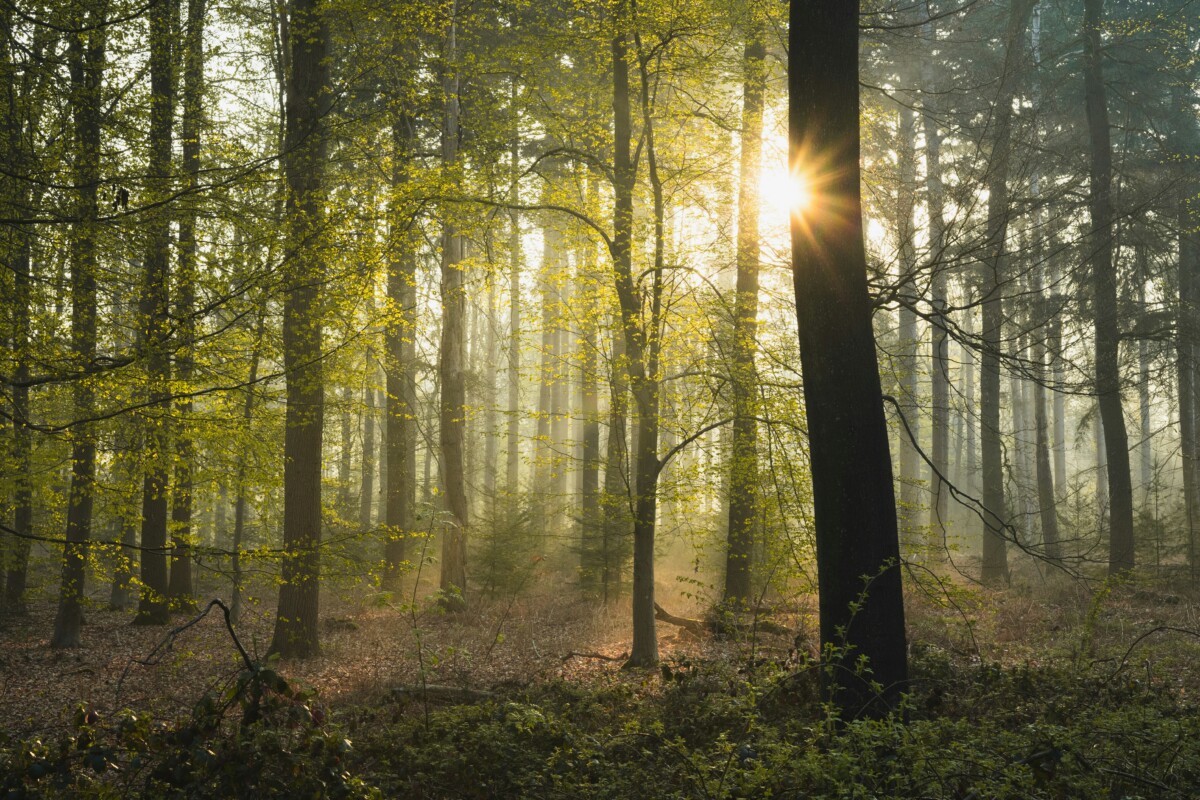
Many people, as they move through life, find themselves increasingly pulled towards the idea of owning land. It can start as a quiet curiosity, a longing for space, connection with nature, or simply a slower pace. The feeling often grows with age, building quietly in the background until it becomes impossible to ignore.
What this post covers
This post explores why the desire for land often becomes stronger over time, how changing priorities play a role, and what steps are open to those curious about the journey, even if it seems out of reach at first.
Changing Priorities and the Appeal of Simplicity
Midlife and later years often bring a new appreciation for what truly matters. For many, that means a shift from material possessions and busy routines towards quieter values, space, time, and a sense of belonging. The idea of land represents these priorities, promising room to breathe and the opportunity to reconnect with natural cycles.
Space and Connection with Nature
The modern world can feel crowded and overwhelming. As people grow older, spending time outdoors becomes less a luxury and more a necessity. Many report a deeper satisfaction from walking among trees, growing food, or simply observing the seasons change from their own land. This connection offers something difficult to achieve in more urban or transient settings, a grounded sense of home.
A Sense of Legacy and Stewardship
Land often carries a sense of permanence. Later in life, people may begin thinking about what they will leave behind, and for many, stewarding a piece of land feels both meaningful and fulfilling. It can provide a way to care not just for oneself, but for future generations and local ecosystems.
Overcoming the Perceived Impracticalities
The idea of buying land can seem daunting, especially for those without experience or family background in rural living. Yet, options are changing. New models for land ownership have emerged that place community and shared responsibility at the centre, helping to lower barriers and make the dream of land more accessible, even to those who start later in life.
Practical takeaway
- Look inward: Notice if a desire for space or nature feels persistent or meaningful.
- Consider your priorities: Reflect on how your values have shifted, and what environments support them.
- Explore new ownership models: Community approaches can help bridge practical gaps.
- Seek support: Connect with others on similar journeys to share insight and resources.
- Pace yourself: There is no rush; take time to learn what’s right for you.
A gentle step forward
If you find yourself drawn to land later in life, know that you are not alone. Others have felt the same pull, and there are thoughtful ways to explore without pressure. When the time is right, space and simplicity may be closer than you think.
Comments are closed