
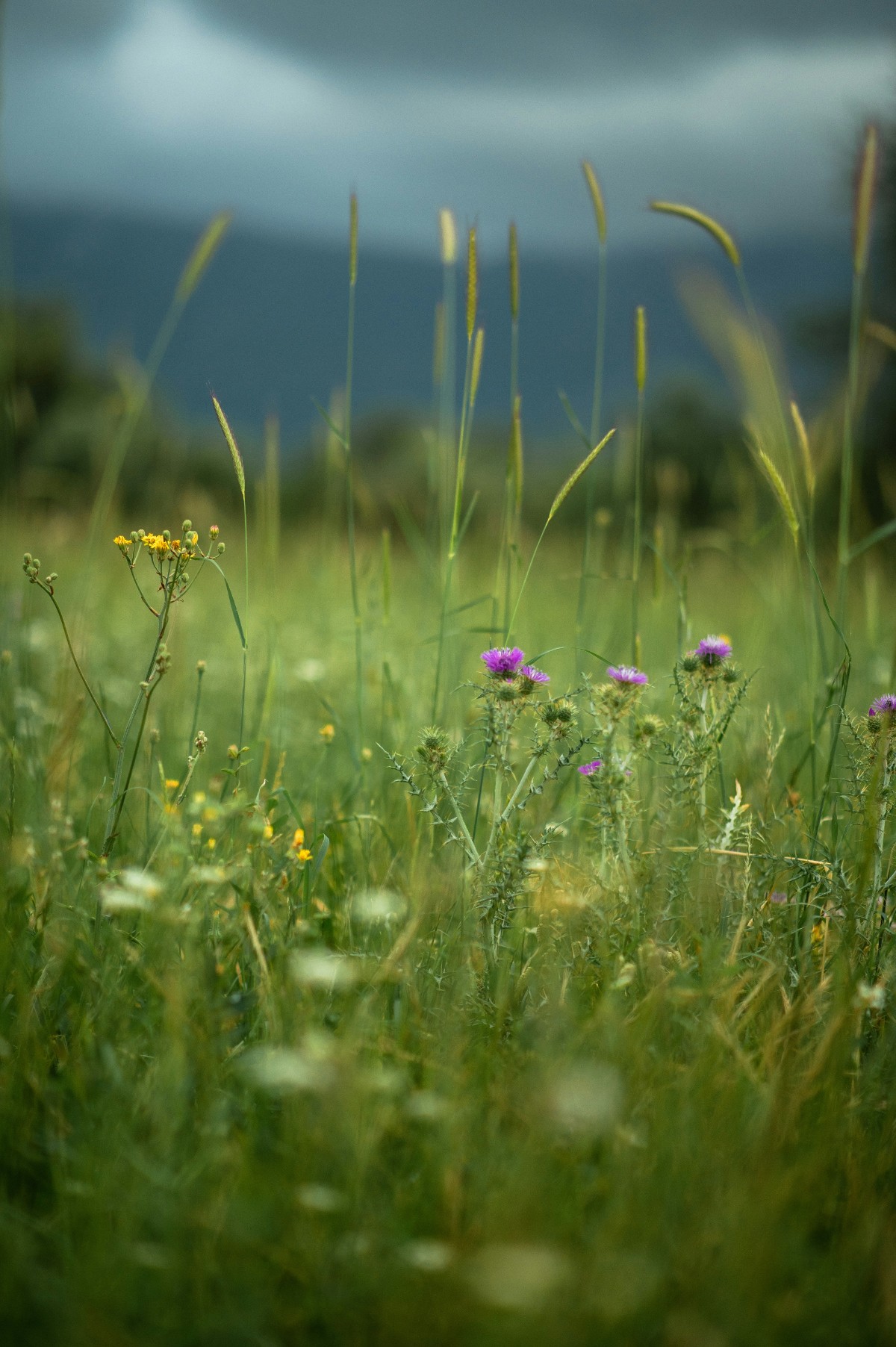
When land loses active care, it can quickly fall into neglect. Overgrown fields, litter, or simple lack of attention often have a common cause: there is no clear purpose or daily stake in stewardship.
What this post covers
This article explores how shared ownership brings new purpose to land, encouraging ongoing attention and care. It highlights the positive difference joint stewardship can make compared to traditional, individual approaches.
Why Land Is Often Neglected
Neglect tends to set in when land does not have a clearly defined role or when the owner is distant, too busy, or unable to address its needs. Without regular involvement, practical issues, such as controlling weeds, clearing rubbish, or maintaining boundaries, mount up. In such situations, the land gradually loses value, both visually and ecologically.
Shared Ownership: A Practical Response
Shared ownership brings together people who are motivated to make use of the land. When a group shares responsibility and purpose, everyday decisions about maintenance and improvement become part of the routine. The land moves from being an afterthought to something valued by several participants.
Communication and Accountability
Joint owners have a direct line to one another. Agreements can form around who is responsible for different aspects of care, whether it is tending paths, managing wildlife areas, or organising occasional clean-up. When multiple people hold a stake, accountability naturally increases. There is a community aspect to shared ownership which gently encourages involvement and reduces the risk of neglect.
Unlocking Potential Through Community
Shared ownership can help unlock land’s potential, transforming overlooked plots into cherished local space. Instead of lying unused, a piece of land can become a communal asset, with practical plans for its upkeep. It builds in regular attention because more people are invested in its welfare. This shared endeavor leads to ongoing improvement, rather than decline.
Practical Takeaway
- Shared ownership brings new purpose to underused land
- Group involvement encourages regular care and attention
- Open communication helps organise ongoing maintenance
- More stakeholders means greater accountability for the land’s condition
A Gentle Next Step
If you know a piece of land that has lost its way, consider the possibilities that shared ownership or stewardship could offer. A more thoughtful approach, with collective care at its heart, may keep it thriving for years to come.
Comments are closed