
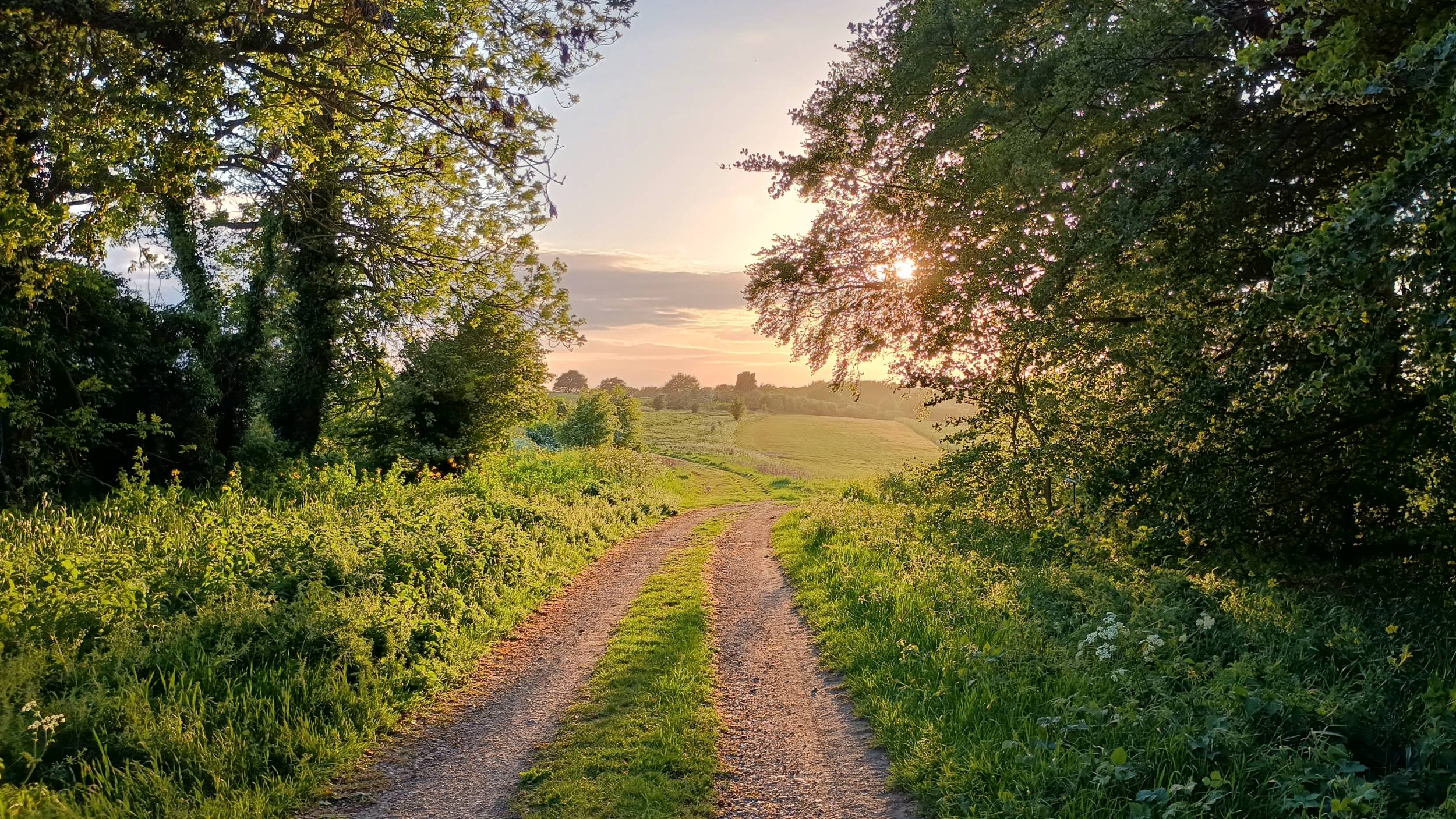
Owning shared land brings a fresh chapter well beyond the purchase date. For many, the real work, and joy, begins after the sale, as a new community forms to guide the future of the land.
What this post covers
This article looks at what ownership means in practice after buying land with others, including how decisions are made and how the land is cared for over time.
Taking Ownership as a Group
Buying shared land usually involves forming or joining a group of co-owners. Each member brings their own perspective, skills, and hopes for the land. Early conversations often focus on agreeing how decisions will be made and clarifying what everyone wants the land to achieve, whether that’s conservation, recreation, or another purpose.
Setting Up Ways to Decide Together
Once a group is in place, the next step is to create clear, fair ways to make decisions. Some groups form a legal entity, such as a cooperative or a partnership, to help manage responsibilities and costs. Others draft agreements that outline how major decisions are reached and how any issues will be resolved, making it easier to handle differences while keeping the group working together.
Caring for the Land Over Time
Ongoing stewardship is a central part of shared land ownership. Owners often set up regular meetings to discuss land care, repair work, or improvements. Priorities range from protecting habitats and maintaining footpaths to tackling practical needs like boundary checks or insurance. These regular check-ins help everyone keep up to date and share the workload.
Navigating Responsibilities and Enjoyment
With a shared approach, responsibilities and rewards are divided among the group. Many find that sharing these duties eases the burden and brings people together. Some owners take turns with certain tasks, while others volunteer for roles that suit their skills. Agreeing on how to handle new expenses or land uses helps keep the experience positive for all involved.
Practical takeaway
– Set up clear decision-making routes early on
– Agree how roles and work will be shared
– Hold regular catch-ups to keep lines of communication open
– Tackle issues as a group, focusing on solutions rather than blame
– Remember that shared enjoyment and stewardship often deepen connections over time
A gentle next step
If you’re considering co-owning land, taking time to think about how you’ll work together after the purchase is just as valuable as securing the land itself. Open conversations and good planning lay strong foundations for group ownership.
Comments are closed