
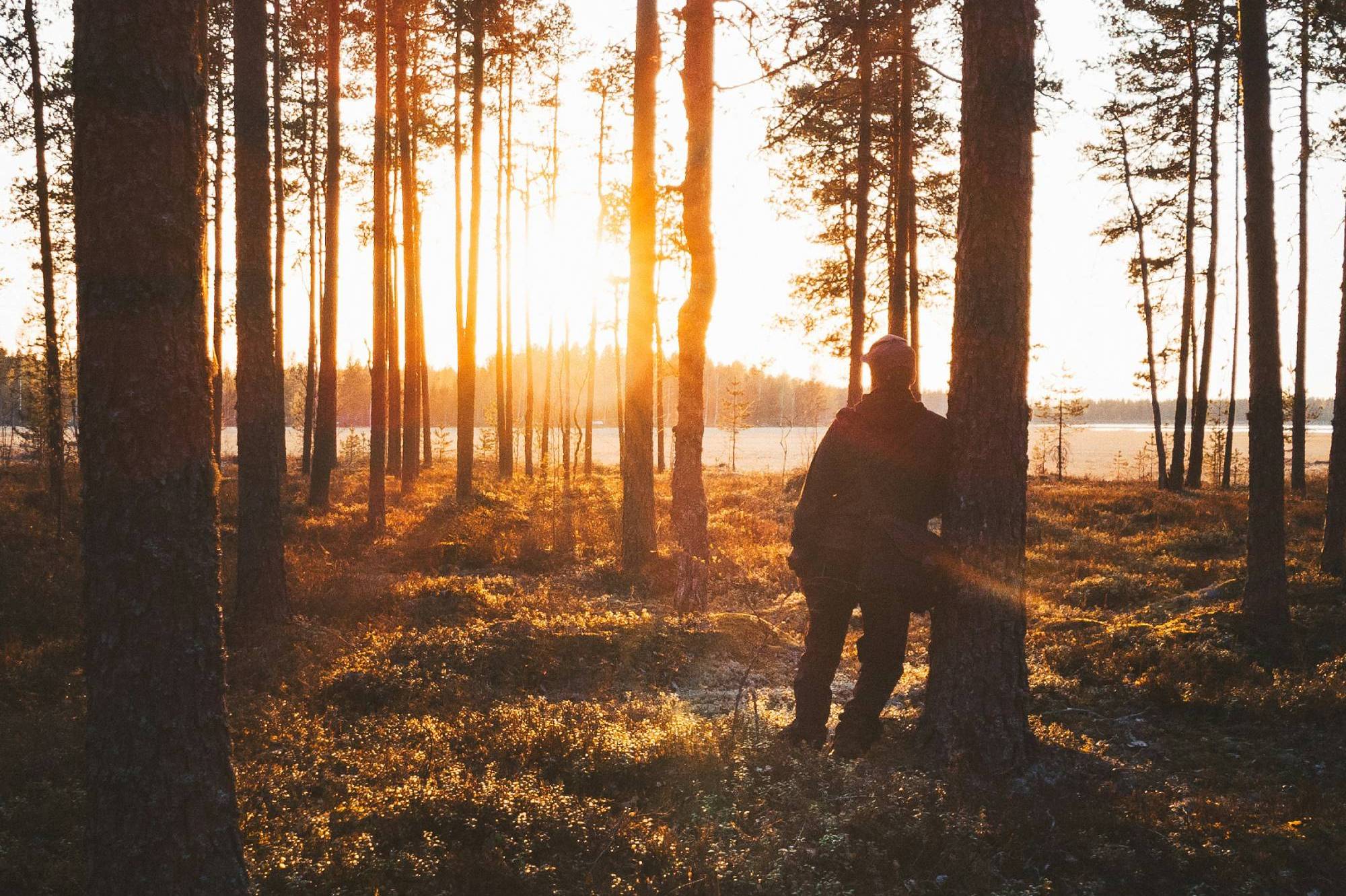
Spending time in nature can be soothing, but forming a sense of belonging to the land offers something more enduring. There is a quiet difference between visiting a green space and feeling responsible for its ongoing care.
What this post covers
This post explores how emotional bonds form with land when people become stewards instead of occasional visitors. It considers what changes within us when we shift from observing to belonging, and how this perspective benefits both people and the land.
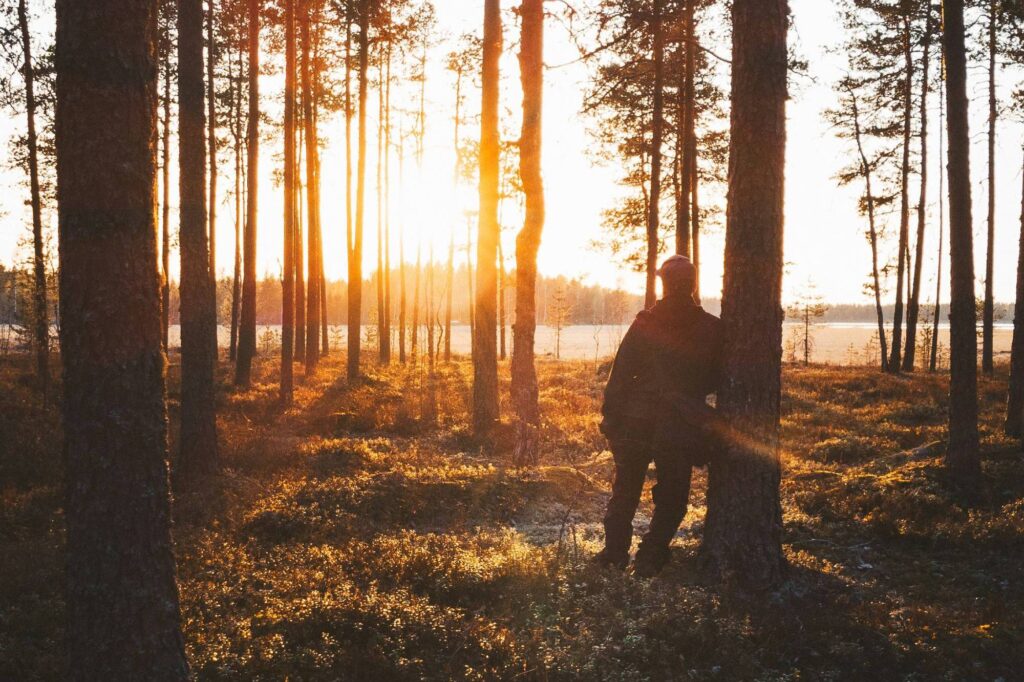
Understanding the Visitor Mindset
For many, time in nature is a brief escape—a walk in the woods or a picnic in a meadow. These visits help us reset and reconnect. Yet, this experience often remains at the surface, one of comfortable enjoyment but limited involvement. We might appreciate the views and peace, but our role is passive.
The Emotional Shift to Stewardship
Belonging to a place means something different. When people begin to care for a piece of land—whether tending a patch of woodland, restoring a hedge, or supporting a habitat—they often feel rooted in new ways. This act of stewardship carries both responsibility and reward. The emotional shift is tangible: the land begins to matter more. Successes and challenges on that land feel personal. Seasons seem to take on more meaning, and people notice subtle changes that often go unseen by casual visitors.
From Occasional Use to Lasting Connection
Over time, stewardship can nurture a deeper investment, not only in the physical environment but also in a sense of purpose. It becomes less about taking and more about giving back. People find that their contribution, however small, becomes part of a larger effort. The land may begin to feel like part of their lives, not just a backdrop for leisure.
What Land Gains from Our Belonging
Land that is cared for by those who feel genuine belonging often benefits from this attention. Decisions can become more thoughtful and respectful. In these relationships, people often strive to preserve what makes a place special. This reciprocal connection can support healthier, more resilient landscapes.
Practical takeaway
- Being a steward invites deeper observation and care
- The more actively you nurture a place, the more connected you may feel.
- Even small acts—planting, tidying, monitoring—build roots of belonging.
- Stewardship often leads to new understanding of seasonal cycles and ecological balance.
- A sense of belonging to land can provide long-lasting personal fulfilment.
If you are ready to explore a more grounded relationship with nature, consider ways to become a steward, not just a visitor. SharedAcres offers pathways for you to belong and make a difference.
Comments are closed