
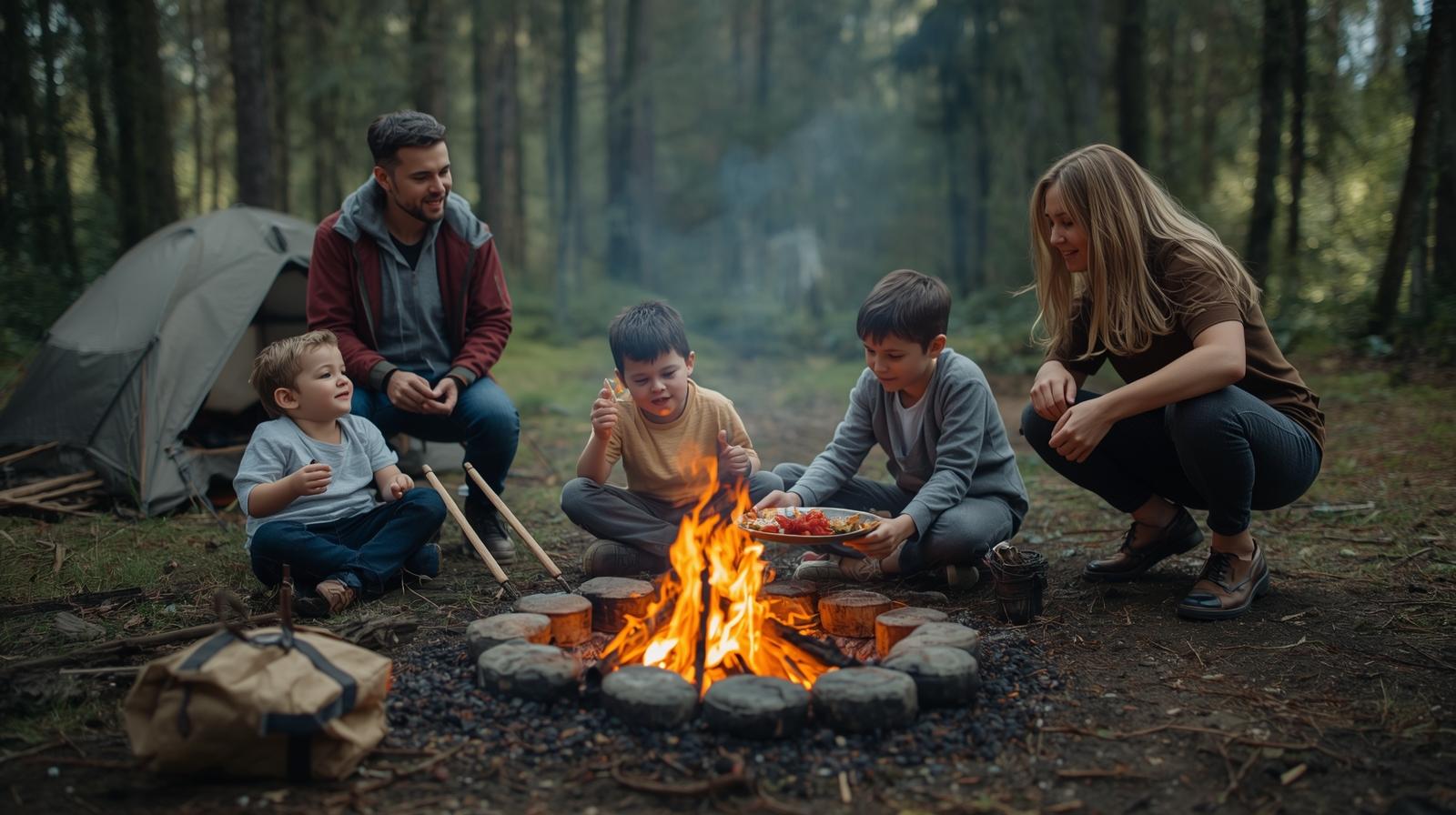
Life often feels like it’s moving ever faster, with precious little time to pause and reflect. Many are searching for ways to slow down, reconnect with themselves and the world around them, and embrace a more thoughtful pace of life. Shared land offers a unique invitation to do just that.
What this post covers
This article explores how shared land ownership nurtures a slower, more mindful way of living. It looks at the reflective benefits of time spent on shared land and why these opportunities for presence matter now more than ever.
Shared Land and the Rhythm of Nature
When people come together to co-own a parcel of land, the focus often shifts away from immediate results and towards longer, quieter rhythms. Shared land encourages its custodians to observe, listen, and become part of the landscape—a gentle contrast to the pace of urban or digital life. Time spent outdoors in these settings often brings a sense of calm and perspective that’s difficult to replicate elsewhere.
Presence Through Shared Responsibility
The act of caring for land is different when the responsibility is shared. It invites deeper engagement: decisions are made with a view to the group and the long term. This intentional approach encourages regular visits and quiet reflection, fostering a sense of belonging not just to the land, but also to a community with shared values. In this environment, people often find themselves more present, listening to their surroundings and to each other.
Reflecting on Place, Purpose, and Each Other
Owning land with others provides natural pauses—moments of group decision-making, communal work, or simple observation. Such moments can inspire deeper thought about one’s place and the shared purpose behind the stewardship of the land. These shared experiences can act as anchors, drawing people back from the distractions of daily routines and helping cultivate a more intentional relationship with both land and community.
Practical Takeaway
- Shared land creates opportunity for regular time outdoors away from everyday pressures
- Co-ownership encourages collaborative, mindful decision-making
- Being part of a land-owning community supports a slower, more reflective way of living
If you are drawn to the idea of stepping back from the pace of modern life and embracing more considered connection, exploring shared land ownership may provide a pathway to that slower, more thoughtful rhythm.
Comments are closed