
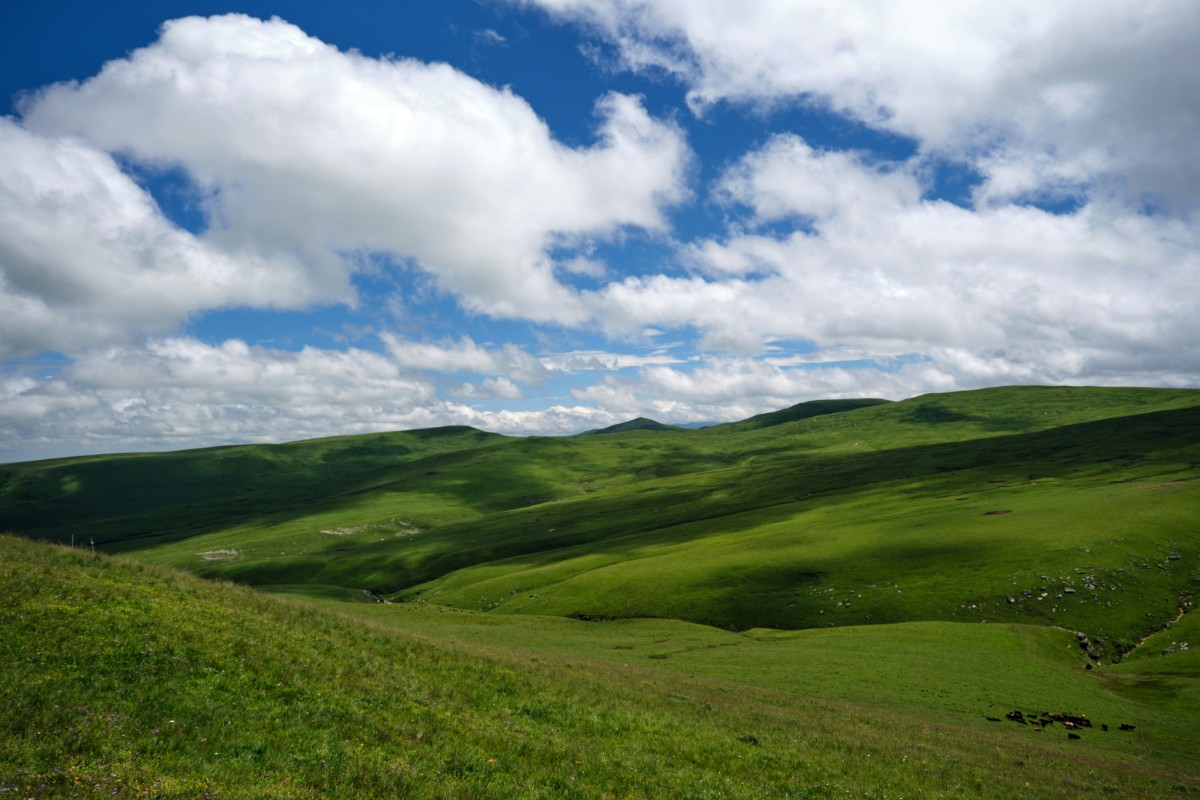
Protecting the natural world often feels like a challenge for specialists or large organisations. In truth, some of the most meaningful conservation happens in the day-to-day actions of ordinary people. Shared land stewardship opens up real, tangible opportunities for individuals to support habitats and wildlife, right alongside daily life.
What this post covers
This article explores how shared access land enables regular people to take part in conservation, the subtle but significant benefits to habitats and species, and practical steps that anyone can take to become a part of this ongoing effort.
Why shared land matters for conservation
Shared land gives people the chance to participate in caring for environments that might otherwise be overlooked or inaccessible. These areas are not pristine reserves, they’re living, working places, sometimes farmed, sometimes filled with wild margins, all playing their part. Through shared responsibility, people are able to manage land with sensitivity, supporting everything from healthy soil to thriving trees, wildflowers, insects, and birds. Over time, the cumulative effect is the protection and quiet improvement of green spaces for all.
Everyday stewardship on the ground
Everyday conservation does not require rare skills or deep knowledge. Often, it is small actions, leaving hedgerows uncut during nesting season, adjusting grazing patterns, or planting pollinator-friendly wildflowers, that add up to a real difference. SharedAcres encourages thoughtful land management, balancing productivity with wildlife needs. By considering habitats as part of land value, stewards naturally support biodiversity. This approach fits around busy lives, weaving conservation into routine care and use of land.
Community and continuity
Sharing access to land creates space for ongoing learning and connection. People share observations about wildlife, exchange tips on restoring native plants, or simply notice what’s working and what’s not. This communal approach builds a sense of responsibility and continuity. Over time, knowledge grows, and the community notices the slow return of more diverse wildlife or healthier woodlands.
Small actions, lasting results
Simple, regular efforts, thoughtful mowing, allowing parts of fields to remain wild, or monitoring for invasive species, accumulate. The power of shared stewardship is that these actions are sustainable, spread across many hands, and adaptable as people learn together. In this way, conservation is both practical and deeply rooted in everyday choices.
Practical takeaway: Everyday ways to support conservation on shared land
- Leave wild areas undisturbed where possible
- Support natural growth by planting native species
- Adapt land use to benefit local wildlife, such as mindful mowing or grazing
- Connect and share insights with other land stewards
- Remain curious—observe and adapt as nature responds
A gentle invitation
Conservation need not be grand or complicated. With shared land, everyone can make a positive impact, one small, thoughtful step at a time. If you’re curious to learn more or wish to become involved, SharedAcres provides guidance and a supportive community for practical stewardship.
Comments are closed